Driving high-level engagement for Europe’s clean energy and industrial transition
Europe is entering a decisive phase in its clean energy and industrial transformation. As the EU prepares to roll out major policy packages to strengthen competitiveness and accelerate decarbonisation, the 5th European Energy & Industry Conference (EEIC) positioned itself as a timely and strategic platform for alignment.
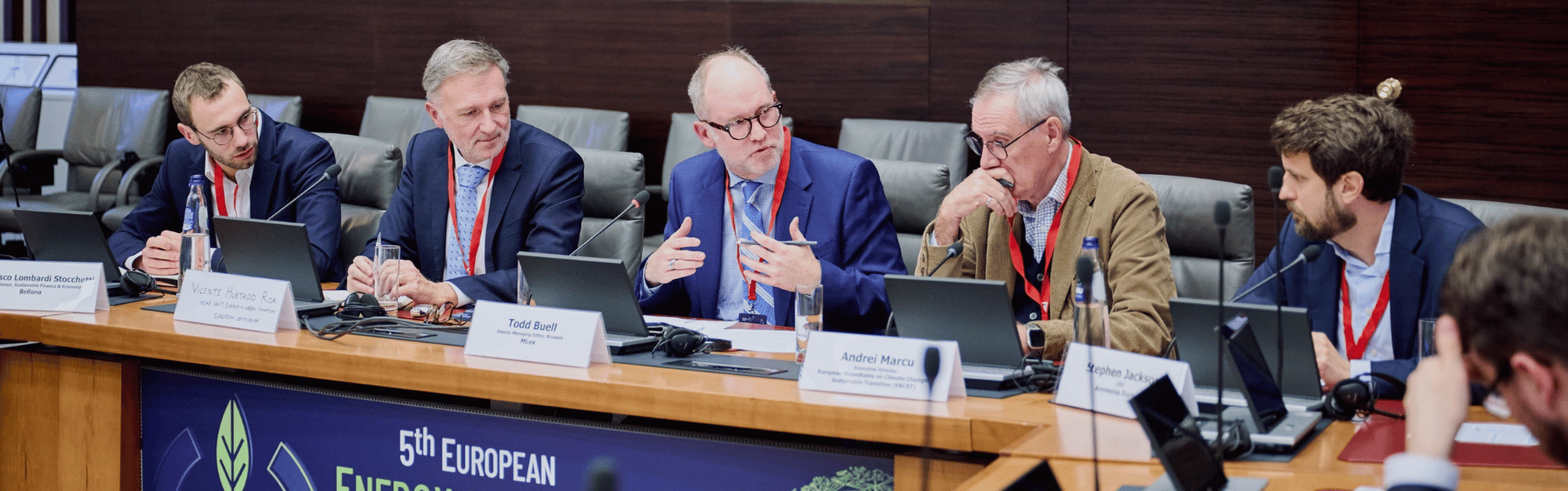
On 9 December 2025, logos led the organisation of this high-level event, transforming complex policy discussions into a compelling, solution-oriented forum. The conference brought 50 speakers, both EU policymakers and C-level executives, 22 industry partners and more than 350 participants from across Europe. The ambition was not only to convene key actors, but to create a space where Europe’s clean transition could be addressed openly, constructively, and with a shared sense of urgency.
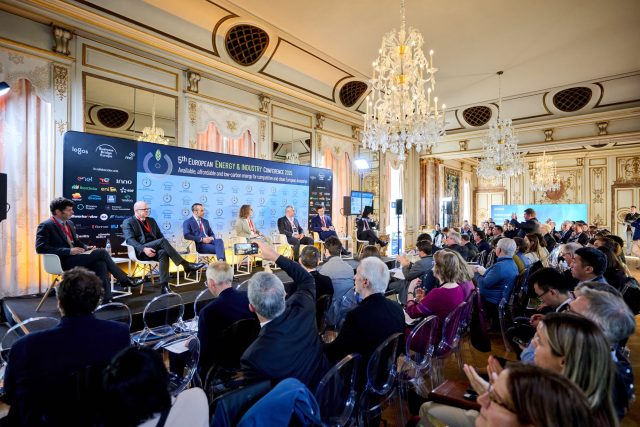
The objective was to design a coherent and impactful experience that would facilitate meaningful exchanges between policymakers and industry, clarify upcoming EU policy developments, and foster cross-sector collaboration. At the same time, the conference needed to reinforce its positioning as a leading platform for Europe’s clean industrial transformation.
The challenge: bridging diverse perspectives in a fast‑moving policy landscape
The energy and industrial transitions are broad, technical and politically sensitive. One of the biggest challenges was ensuring a coherent dialogue among highly diverse audiences from policymakers and CEOs to grid operators, technology providers, innovators and journalists.
Each stakeholder came with different priorities: affordability, competitiveness, climate ambition, funding mechanisms, regulatory clarity, and innovation pathways. logos’ role was to bridge these perspectives and translate them into balanced, forward-looking conversations.
This was achieved through a combination of strategic programme design and careful narrative curation. Working closely with institutional and industry partners, logos structured the agenda around Europe’s most pressing challenges, including electrification, clean manufacturing, financing the transition, and ensuring competitiveness. Panels were deliberately designed to reflect both synergies and tensions, encouraging honest and solution-driven debate rather than consensus for its own sake.
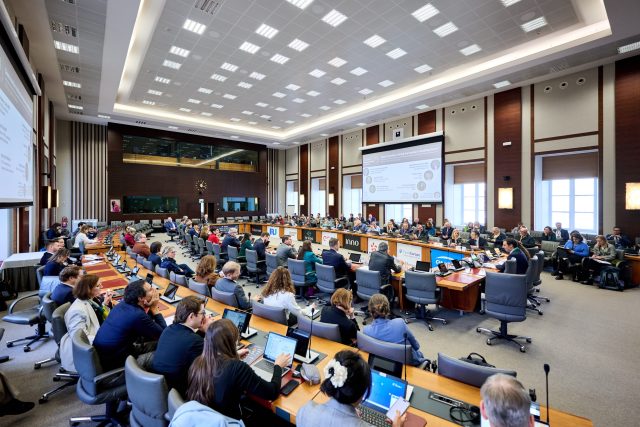
Equally critical was the coordination of high-level stakeholders. logos ensured seamless engagement between EU institutions, corporate leaders, industry associations, and innovators. Strong relationships, combined with clear communication and careful planning, enabled the participation of senior figures, including Members of the European Parliament, European Commission representatives, and top industry executives.
Each step of the experience was handled with care and precision. From venue management and registration flows to speaker briefings, technical coordination, and on-site moderation support, every detail was handled to ensure a smooth, professional event. This allowed participants to focus fully on the substance of the discussions.
Impact: a trusted platform for Europe’s energy and industrial future
A defining feature of the conference was the creation of a unifying narrative. Rather than presenting a series of disconnected sessions, logos framed the event around a clear storyline: how Europe can accelerate its clean transition while safeguarding its industrial base. Key messages such as affordability as a driver of competitiveness, electrification as a key enabler, and collaboration as essential to progress were consistently reinforced throughout the programme. This approach helped participants navigate complex topics and connect individual discussions to broader strategic objectives.
Across sessions, a common conclusion emerged. Delivering the clean transition at speed will depend on access to affordable, low‑carbon energy, faster infrastructure upgrades, and greater regulatory clarity supported by targeted financing. At the same time, speakers emphasised the importance of maintaining technological openness, particularly in hard-to-abate sectors such as transport. The overall tone balanced ambition with realism, underscoring the need for coordinated action across policy, industry, and finance.
The conference’s impact confirmed its growing relevance as a reference platform for Europe’s energy and industrial future.
Key outcomes included:
- 350+ high-level participants engaged throughout the event
- 50 speakers, both EU policymakers and C-suite executives
- 22 industry partners actively contributing to the programme
- 12 policy sessions driving discussion and insight
- 5 dedicated networking sessions built into the agenda
- 4 media partners supporting visibility and outreach
By delivering a strategically curated programme alongside seamless execution, logos helped build momentum at a critical moment for Europe’s energy and industrial policies.
Over the years, the European Energy and Industry Conference has established itself as a uniquely European platform independent, solutions-driven, and grounded in constructive dialogue. This fifth edition once again demonstrated logos’ ability to bring clarity to complex transitions, foster meaningful engagement, and deliver high-impact events at the intersection of policy and industry.
The next edition will take place on Tuesday, 8 December 2026. To learn more, visit the official website here.